
Asphalt sealcoating helps protect the surface, improve the overall appearance of the property, and set up a cleaner return for new striping. The goal is a darker, more uniform finish with controlled timing for reopen and stripe coordination.
Sealcoating has to do more than darken pavement. It needs to be scheduled around site use, cure properly, and set up the lot for a clean stripe return that makes the finished property look cared for.
The priority is protecting the asphalt, improving the finished appearance, and coordinating the cure and stripe timeline so the site comes back online cleanly.
Sealcoating is applied for commercial lots that need surface protection, a darker reset, and a cleaner finished read across the property.
High-traffic properties can be phased around operations so access, closures, and cure time are managed with less confusion.
New striping can be coordinated after cure so the lot reopens with the sealed surface and markings working as one finished scope.
Commercial sealcoating has to be matched to real lot use, traffic levels, weather windows, and how the property needs to reopen once the work is complete.
The existing condition, wear level, and stripe-return plan are reviewed up front so the property does not lose time between sealing and final layout.
Cure timing is planned around weather and site use so the lot is not reopened too early or left sitting without a clear schedule.
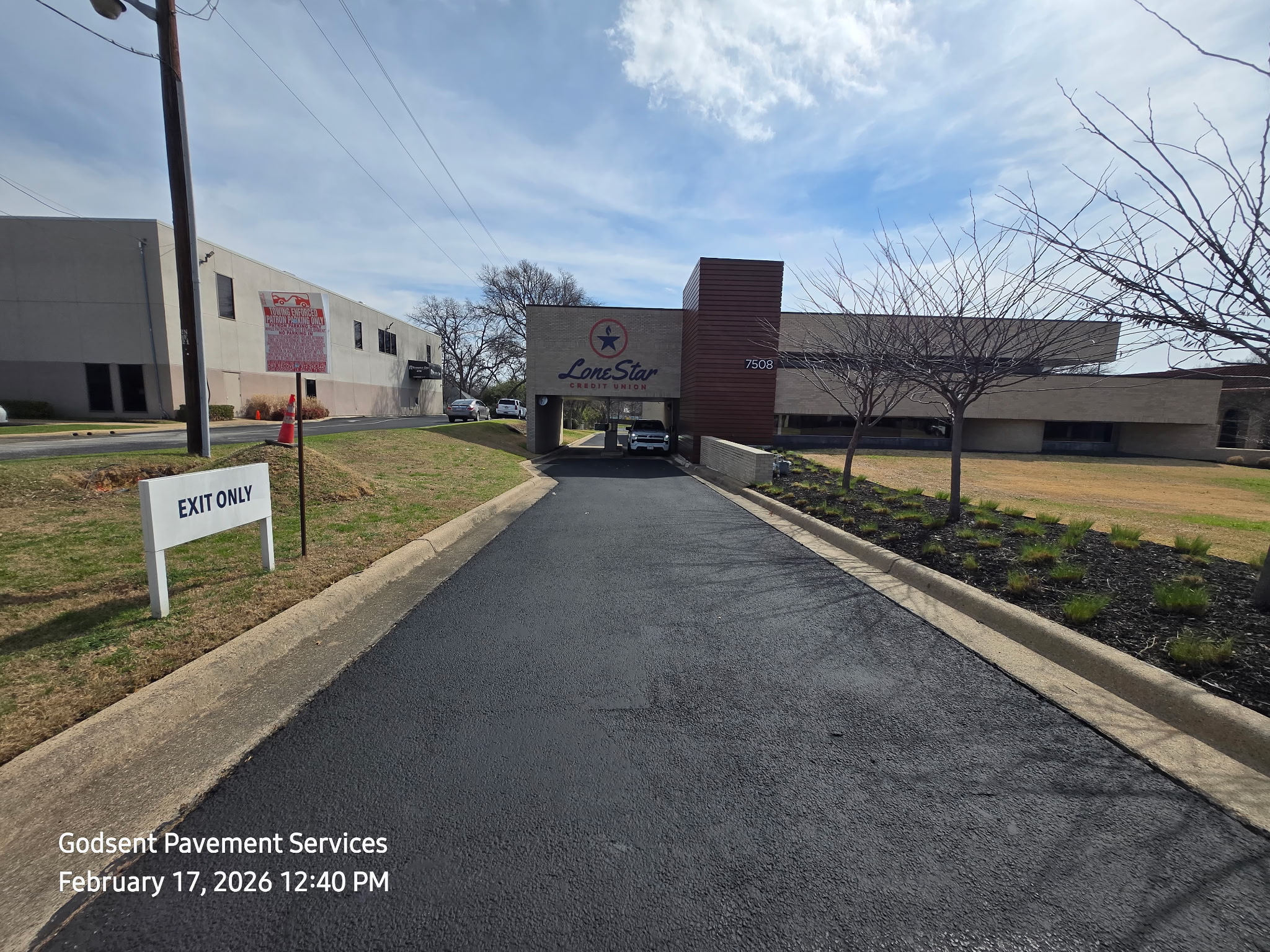
A properly sealed surface can make the pavement look more uniform again and set up the property for a cleaner, sharper final presentation.
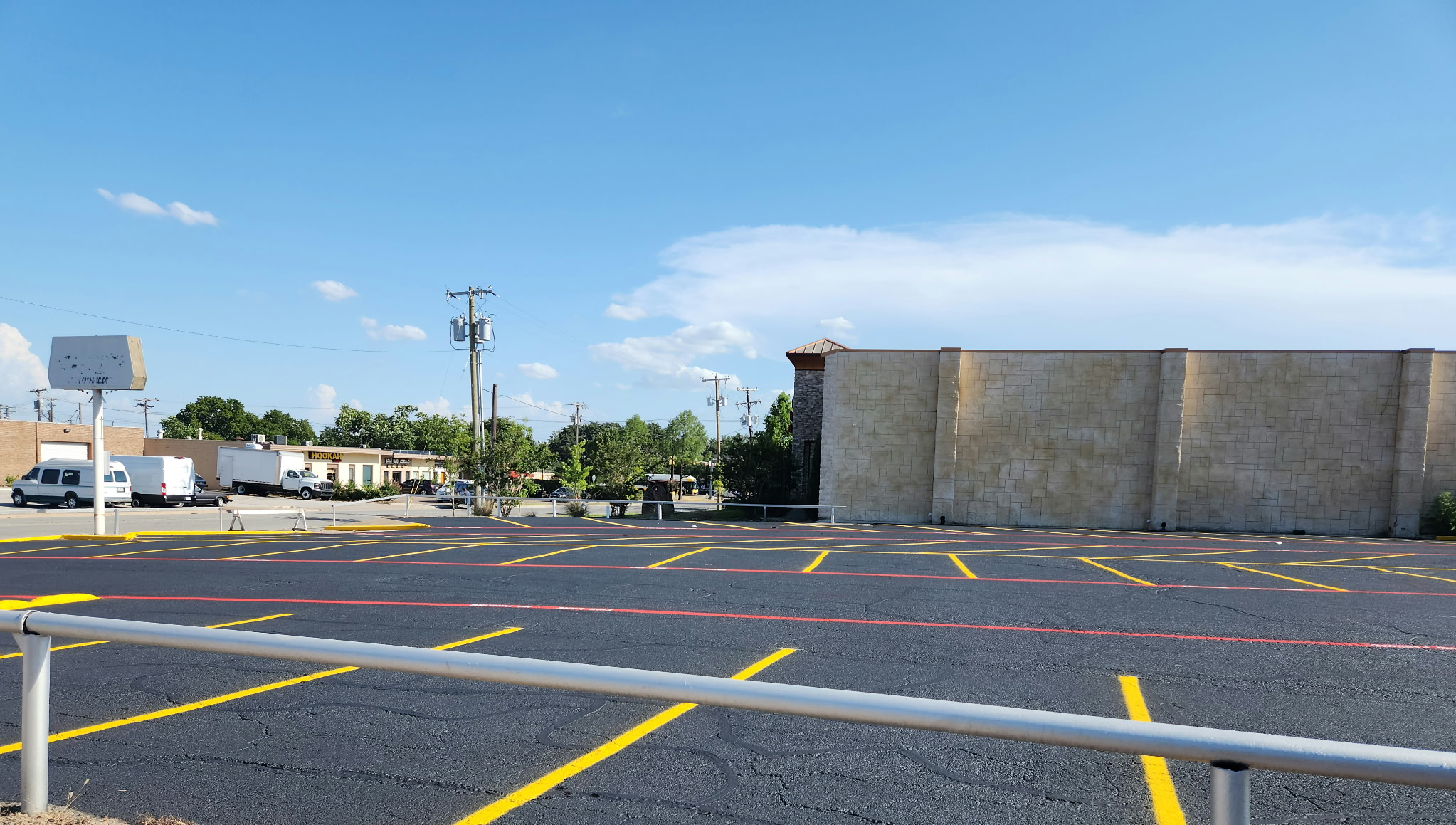
Sealcoating can be coordinated with parking lot striping, ADA areas, arrows, legends, and related pavement markings so the lot reopens fully finished.
Partial closures, sequence planning, and reopen timing can be coordinated for retail, office, industrial, warehouse, and other active commercial sites.
The aim is not only to protect the asphalt, but to reopen the property with a darker surface and sharper markings that look professionally managed.
Clients want sealcoating done with more control than a splash-and-go approach. Cure time, closures, stripe return, and the finished look all have to be accounted for.
Direct oversight helps keep sealcoating scope, cure scheduling, and final expectations aligned instead of drifting through handoffs.
Cure timing, closure sequencing, and stripe return are treated like one connected scope so the site reopens with less confusion.
Sealcoating is planned around how the lot will look after the work, not just what it looks like during application.
Busy commercial properties need sealing and stripe return coordinated around traffic impact, weather, and the property’s operating rhythm.
Owner-Operated Oversight
Asphalt sealcoating affects surface protection, property appearance, reopen timing, and how well the final striping reads once the site is back in service. God Sent Striping stays close to the work so scheduling, application, cure, and stripe return are handled with more control.
Sealcoating works best when prep, application, cure, and stripe return are planned together so the lot does not get stranded between phases or reopened too early.
The lot is reviewed for current condition, traffic demands, closure planning, and how the sealcoat and stripe schedule need to be sequenced.
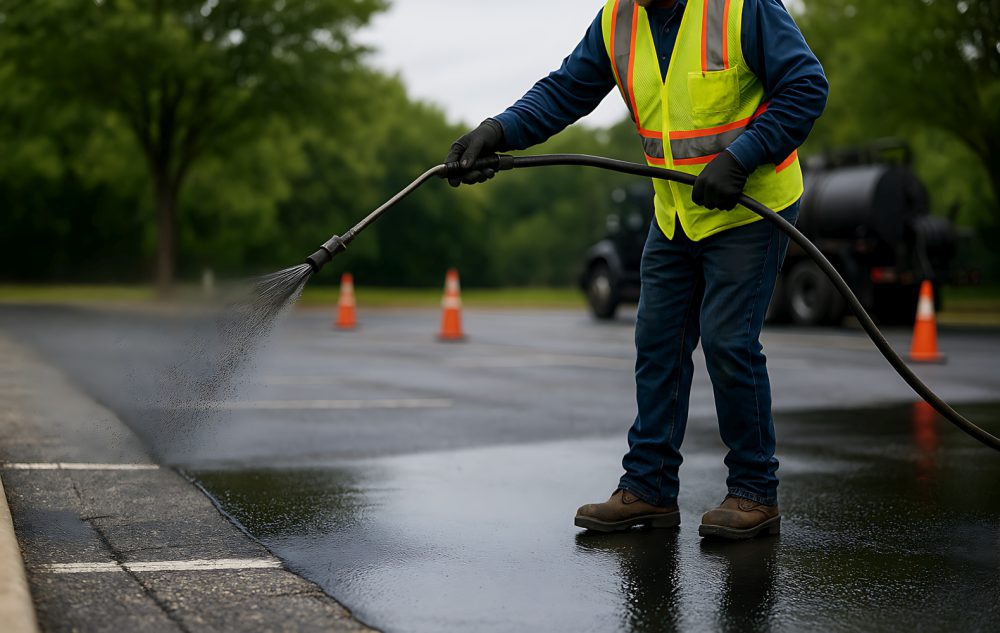
The surface is prepped and the sealcoat is applied with attention to coverage, weather conditions, and how the property will need to reopen.
Cure windows are monitored so traffic does not return before the surface is ready and the stripe phase can be scheduled cleanly behind it.
Fresh striping is returned after cure and the completed lot is checked in the field so the darker surface and final layout read as one finished result.
These answers cover the questions property owners usually ask about cure timing, scheduling, stripe return, and high-traffic sealcoat projects.
Reopen timing depends on weather, site conditions, and how the work is phased. The schedule is planned around cure instead of guessing at a return window.
Yes. Sealcoating and stripe return are commonly coordinated so the lot reopens with both the darker surface and fresh markings in place.
Yes. High-traffic retail, office, warehouse, and other active commercial sites can be phased around closures and reopen timing to reduce disruption.
Not always. Many sealcoat scopes can be broken into phases so access can be managed instead of treating the entire lot like a single closure.
Because the finished look depends on both phases. The property reads better when the sealcoat cure and striping schedule are planned as one connected scope.
Yes. Owner-operated oversight helps keep the sealcoat scope, cure timing, stripe return, and final field verification connected instead of split across layers.
Request A Free Quote
Tell us about your property, timeline, and sealcoating needs. God Sent Striping provides quotes for asphalt sealcoating, phased scheduling, stripe return coordination, and related commercial pavement scope.
Call us for any questions you may have at 469-934-9610. We help property owners who want a cleaner finished surface, realistic cure timing, and a lot that reopens looking properly finished.